Cutting tools, the curated range for clean trims and tidy mod work at ZedLabz.
Browse cutting tools by job
- Screwdrivers and bits, tri-wing, Phillips, Gamebit
- Prying and opening tools, spudgers and pry blades
- Gripping tools, tweezers and helping hands
- Soldering, irons, tips, solder, flux
- All repair tools
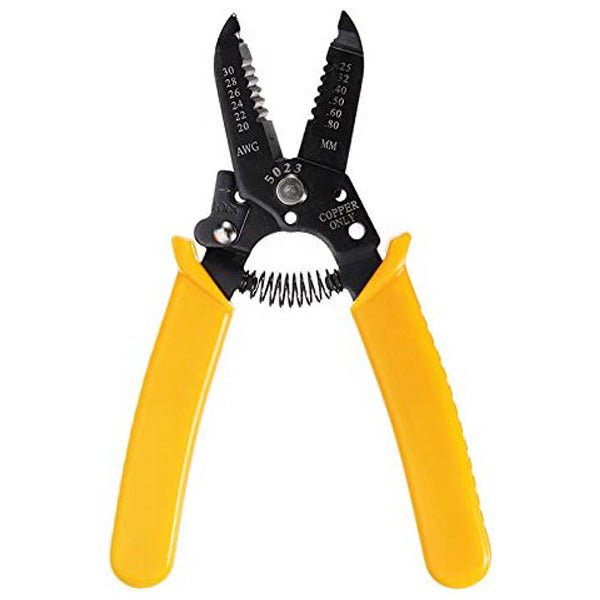
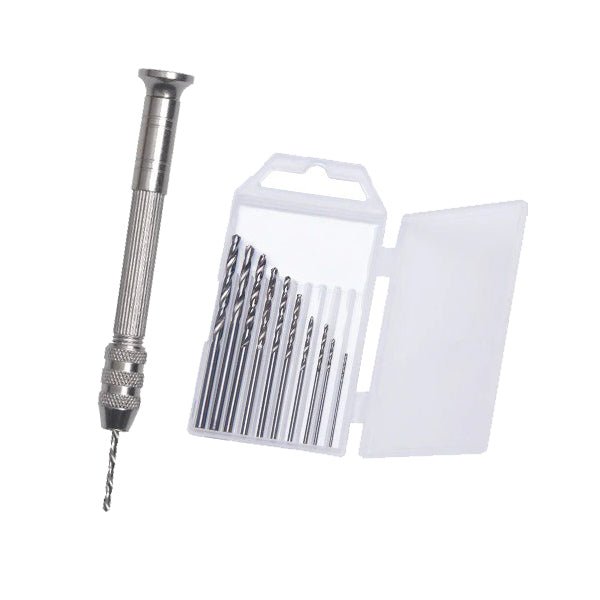
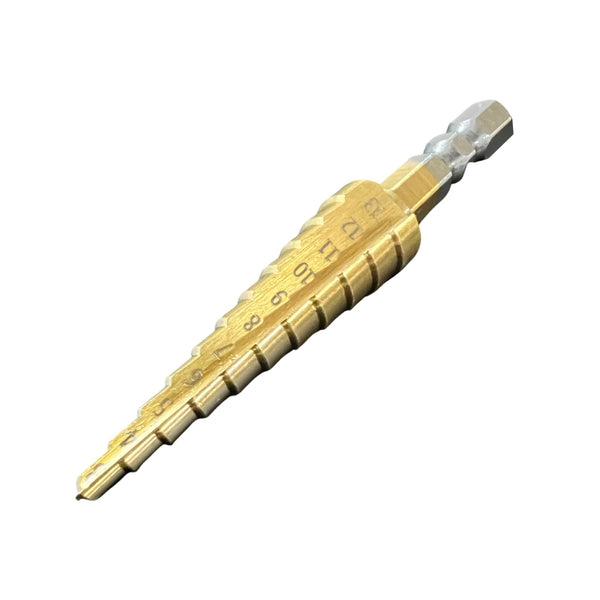
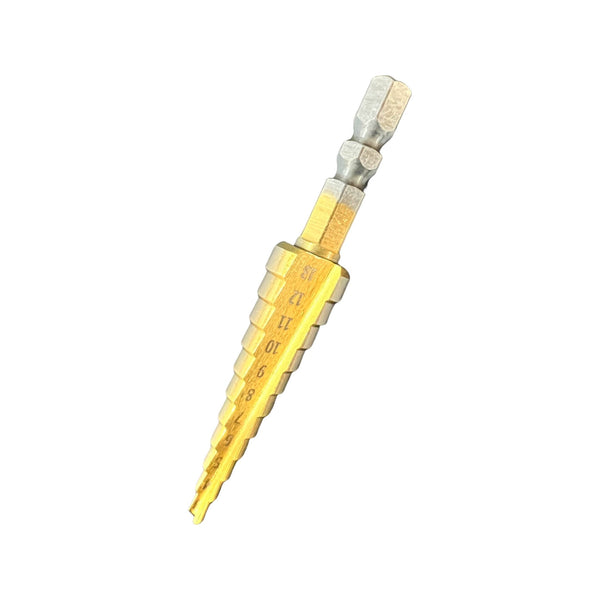
Flush side cutters for trimming component leads after soldering, wire strippers for 20-30 AWG mod wire, and titanium-coated step drills and precision mini hand drills for cutting USB-C, audio out and button holes through replacement shells. The ZedLabz cutting range covers the routine modder jobs: clean lead trims, neat solder joints with no overhang, and tidy shell holes for USB-C charging and 3.5mm audio mods.
Quick picks by skill level
- Easy entry point: a pair of flush side cutters, typically the most-reached-for cutter in any modder's kit, for trimming through-hole component legs flat to the board.
- The crowd favorite: flush cutters plus a 20-30 AWG wire stripper, the two-tool combo for fitting USB-C boards, audio amps and battery mods.
- The pro choice: flush cutters, wire strippers, precision mini hand drill (0.5-3mm bits) and a titanium step drill (3-13mm) for cutting USB-C and audio port holes through replacement shells.
The cutting tool ladder
- Flush side cutters: for trimming soldered leads flush to the board. Buy modder-grade, not generic; cheap cutters typically chew the lead instead of clipping cleanly.
- Wire strippers: for 20-30 AWG mod wire and battery leads. The notched 20-30 AWG range covers most mod wire gauges in console work.
- Precision mini hand drill: 0.5-3mm bits for drilling small port holes by hand, no power tool needed.
- Step drill bit: 3-13mm titanium-coated cone for cutting USB-C and audio out holes through ABS shells. Use slow, steady pressure to reduce the risk of melting plastic.
- Hobby blade: final shell-edge cleanup after drilling, plus delicate trace cuts on advanced bivert mods.
Worldwide delivery with tracking on every order.
Related collections
- Screwdrivers, tri-wing, Phillips, security bits
- Prying tools, spudgers, pry blades, suction tools
- Gripping tools. ESD tweezers, helping hands
- Soldering, irons and supplies for paired install jobs
- Electronic components, wire, resistors, caps
Cutting tools. FAQs
Why use flush cutters instead of regular wire cutters?
Flush cutters have one flat blade and one bevelled blade, so the cut is flat on the side facing the work. After soldering through-hole components, that flat side faces the board and trims the lead flush to the joint with no protruding stub. Regular angled cutters tend to leave a sharp pointed lead behind that can short to nearby traces or scrape a shell.
What gauge wire do I need for console mods?
Most console mod wiring is 28-30 AWG silicone-insulated stranded wire, fine enough to route inside a tight Game Boy or GBA shell, flexible enough to reduce stress on solder pads. Battery and power leads typically step up to 22-24 AWG for current capacity. The 20-30 AWG wire stripper covers the full range.
How do I drill a USB-C hole in a Game Boy shell?
Mark the position from the USB-C board template, start with a small pilot hole using the precision mini hand drill, then expand using the titanium step drill in slow rotations. Use light pressure. ABS plastic typically melts under heat from too-fast drilling. A hobby blade tidies the final edge. Some modders prefer files for the last 0.5mm to keep the hole shape exact. Set aside an evening if it's your first shell-cut mod.
Can I use a regular drill instead of the precision hand drill?
For larger port holes, yes, a Dremel or rotary tool with a step drill works fast. For tight handheld shells like a Game Boy or GBA, the slow rotation of a precision hand drill tends to give cleaner edges with less risk of melting the ABS. Most modders use the hand drill for the small starter hole and a powered step drill for opening it out.
Do I need a step drill or can I use individual bits?
Step drills cut a tapered hole in one pass and are typically faster and tidier on plastic shells than swapping individual twist bits. For metal work or precise sized holes in PCB material, individual HSS bits give finer control. Most modders own one cone step drill and a small set of individual bits.